Written By-Pape Refsgaard
In the realm of vision correction, many people are familiar with procedures including LASIK, but a transformative option is gaining popularity: EVO ICL surgery. This innovative procedure offers an alternative for those who may not be suitable candidates for LASIK, particularly individuals with severe myopia or thin corneas. https://docs.google.com/presentation/d/1oazgqhHNtPAB0tJavrzVbIjy4IOlmImJU5k3kKURWyo/edit?usp=sharing , or ICL, delivers a pathway to clearer vision with unique advantages that appeal to a wide range of patients.
Exploring the world of vision correction can be daunting, especially with the various options available. In this article, we will differentiate myths from facts, addressing what the EVO ICL entails, its advantages and risks, and how it compares to LASIK. Whether you are considering your first consultation or are already intrigued by the prospects of EVO ICL, this comprehensive guide is intended to equip you with essential insights to assist you in making informed decisions about your eye health and which procedure might be suitable for you.
Understanding EVO ICL Surgery
EVO ICL Surgery is a widely-used sight-enhancing procedure that includes the placement of a Collamer implant in the eye globe. This lens is crafted to help correct shortsightedness, optical distortion, and other optical impairments. Unlike LASIK, which alters the cornea, the EVO Implantable Collamer Lens works by placing a lens behind the colored part of the eye and anterior to the lens of the eye of the eye. This approach allows for a temporary alternative for vision correction, contributing it desirable to those who may not be appropriate individuals for laser treatments.
One of the key pros of EVO ICL is its effectiveness to address high degrees of myopia and irregular vision effectively. It is also an superb alternative for clients with narrow corneal structures, where LASIK may not be or recommended. The EVO ICL provides a permanent fix compared to spectacles and contact lenses while maintaining the anatomical integrity of the eye. Many patients report prompt enhancements in their sight, which contributes to a high satisfaction rate.
The procedure itself usually takes fewer than 30 mins and is conducted on an outpatient basis. After undergoing the EVO ICL surgery, individuals can expect a fairly rapid recovery, with many resuming to their daily activities within a day or two. It is crucial, however, to comply with post-operative care instructions and participate in all follow-up appointments to ensure the best possible healing and outcomes.
Benefits and Disadvantages of the EVO ICL procedure
One of the significant advantages of EVO ICL is its capability to treat a variety of vision problems, including severe nearsightedness and irregular corneal shape. Unlike laser-assisted in situ keratomileusis, which modifies the cornea, EVO ICL involves implanting a phakic intraocular lens that can enhance vision without modifying the shape of the cornea. This renders it an ideal option for individuals with reduced corneal thickness or those who may not qualify for LASIK. Furthermore, the procedure is non-permanent; if needed, the implanted lens can be removed or replaced.
However, there are also drawbacks associated with EVO ICL. Some patients may report side effects such as brightness issues, rings of light around lights, or difficulty seeing in low-light conditions. Additionally, the surgery carries potential issues that include infection, developing cataracts, and increased intraocular pressure. These potential complications should be cautiously considered when evaluating whether to opt for EVO ICL.
Cost is another key factor. The EVO ICL procedure tends to be costlier than LASIK, which may be a hurdle for some patients. The cost of surgery may vary depending on the clinic, the expertise of the surgeon, and the equipment employed. It's essential for patients to weigh the financial implications alongside the long-term benefits of this vision correction option.
ICL vs Different Vision Correctional Methods
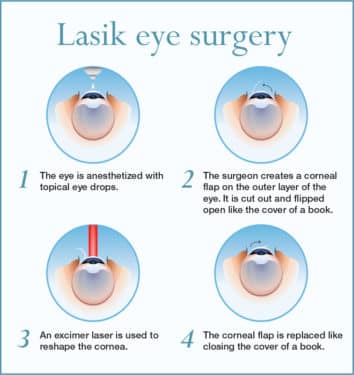
When considering vision correctional methods, it's important to understand how EVO ICL differentiates to alternative popular methods, including Laser-Assisted In Situ Keratomileusis and Photorefractive Keratectomy. Although LASIK uses a laser to reshape the cornea for addressing vision errors, ICL includes implanting a lens in front of the existing lens of the eye. This is particularly advantageous for those with thin corneas or higher prescriptions that may not be suitable for laser procedures. Furthermore, EVO ICL can provide excellent vision correctional without the need for cornea-related tissue removal, which makes it a popular choice for patients seeking a non-permanent solution.
An additional option to consider is the EVO ICL vs. Small Incision Lenticule Extraction comparison. SMILE is a newer technique that also uses a laser to create a small lens in the cornea, which is then taken out through a tiny incision. However, contrarily to EVO ICL, SMILE permanently changes the cornea's shape and may not be suitable for patients with specific refractive errors or those who desire a non-permanent procedure. ICL, on the other hand, offers a remedy that preserves the integrity of the cornea and can be removed if needed, offering flexibility for patients.
In addition to laser-based procedures, conventional methods like glasses and contact lenses continue to be prevalent for vision correctional options. However, these options often require ongoing maintenance, such as refills, replacements, and potential discomfort. In contrast, ICL offers a long-term solution that can eliminate dependence on glasses or contact lenses for many patients. Each option has its distinct advantages and drawbacks, making it vital for individuals to evaluate their lifestyles, eye health, and personal preferences when choosing a vision correctional strategy.
Recovery and Results of ICL Surgery
Healing after EVO ICL surgery is generally quick, with many patients noticing improved vision almost immediately. The majority of individuals can return to their normal activities within 24 hours or two, although complete visual stabilization may take a few weeks. During the healing phase, patients may feel some temporary discomfort, such as mild irritation or variable vision, which typically resolves quickly. Adhering to post-operative care instructions from the eye surgeon is crucial for optimal healing and results.
After the surgery, numerous patients report noticing significant improvements in their vision, often reaching 20/25 vision or superior. The ICL is designed to correct nearsightedness and astigmatism effectively, providing a reliable alternative for those who may not be candidates for LASIK. High Prescription Eye Surgery -term studies indicate that patients enjoy stable and lasting vision correction, which contributes to their overall satisfaction with the surgery.
While the EVO ICL offers impressive benefits, it is essential to understand that, like any surgical procedure, there are potential risks and side effects. Typical side effects may include glare, halos, or difficulty seeing in low light, but these generally diminish over time. Patients are encouraged to talk about potential outcomes and concerns during the pre-operative consultation to make sure they have practical expectations and to maximize the likelihood of positive results.